 EN
EN
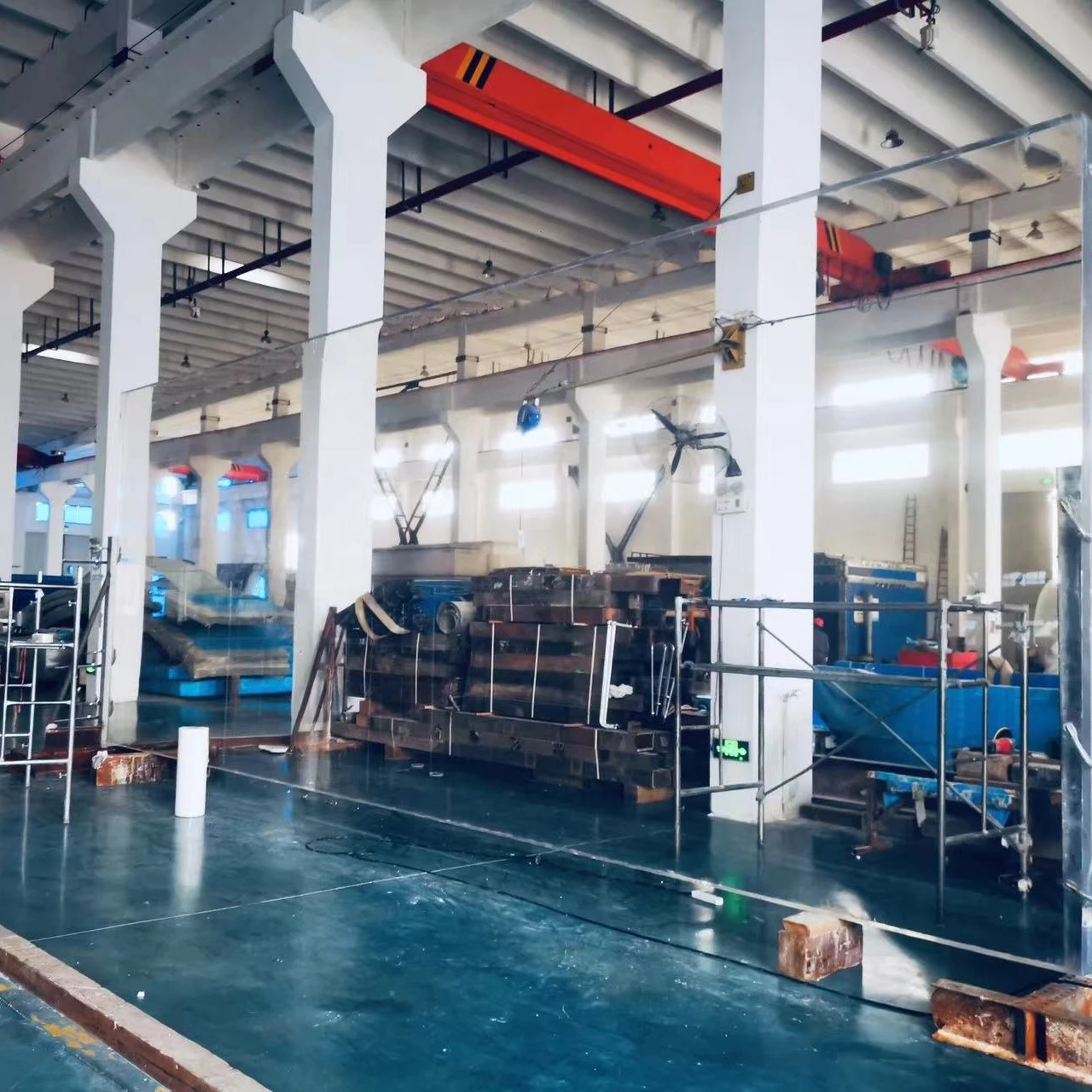
If you are shopping for acrylic sheet, look no further. They’re sold in lots of places, though not all of them charge the same price. Stores may offer amazing sales, especially if you do your research online. Internet vendors often run specials, especially in quantity purchases. You may also be able to visit local hardware or specialty stores that might feature sales. Occasionally they’ll have clearance or discounted items or excess stock that’s cheaper. Looking for “Xiyake acrylic board” on the Internet will help you find good price. If you have targeted sizes or thicknesses in mind, consider asking the retailers if they have any deals or can recommend a certain special for you. Speak to some of the people who work there, because they might steer you toward the best options for your circumstances. If you have a more creative angle or large-size projects and feel the need to stack several sheets together, thicker may set you back but could be overall saving if that’s what suits your needs better and lasts longer.
The custom clear acrylic sheets can impact their clarity and the amount of light that shines through them. Thinner sheets, 1/8 inch or less — often used in windows or picture frames because they admit a lot of light transmit about the same amount of sunlight as real glass. But once you start moving to thicker pieces, the clarity can vary. Thicker acrylic may, of course, let less light through, which can be good or bad depending on your project. Another example, if you’re looking for an aquarium or back lit sign thicker material can hold up to impact better. But if you care whether the display is bright and visible, you may want to opt for something less insulated instead. We help customers understand how thick can affect look of their projects so you get the best-of-both world options: maximum clarity and snugness or durability and strength. Consider how you want light to interact with your materials, and make sure you’re getting the appropriate thickness of acrylic for what you have in mind.
There are a variety of thicknesses for acrylic sheets, and this can greatly impact how your project turns out. When you decide to use acrylic for something such as a craft, a display piece or even if you are on your next DIY project, thickness play very important role. For example, if you need a clear panel that you want to see through very clearly, a thinner acrylic might be better, but it might also be more brittle and break more easily. Thicker acrylic on the other hand tends to be stronger and hold up to more pressure or weight, which is good for large projects or items that will see a lot of use. At Xiyake, we understand the importance of selecting the right thickness for you.
If you are creating something small, like a picture frame or a small model, perhaps go with the thinner sheet that is typically about 1/8 of an inch. This material is easy to cut and form, and it still looks pretty decent. But if your project is bigger than a box, or going to be used near high-traffic areas in your home, you might want to consider using thicker acrylic, like 1/4 inch or even 1/2 inch. A thicker sheet is also more durable and will tend to be harder to scratch or damage due to regular impacts. They also appear more solid and strong, which is good for displays in stores or protective shields. The thickness also impacts how heavy your finished project will be, so consider what you can carry in weight. So, to reiterate, the thickness of your acrylic sheets can alter the entire result of your project so spend some time thinking about just what you need before taking any decisions.
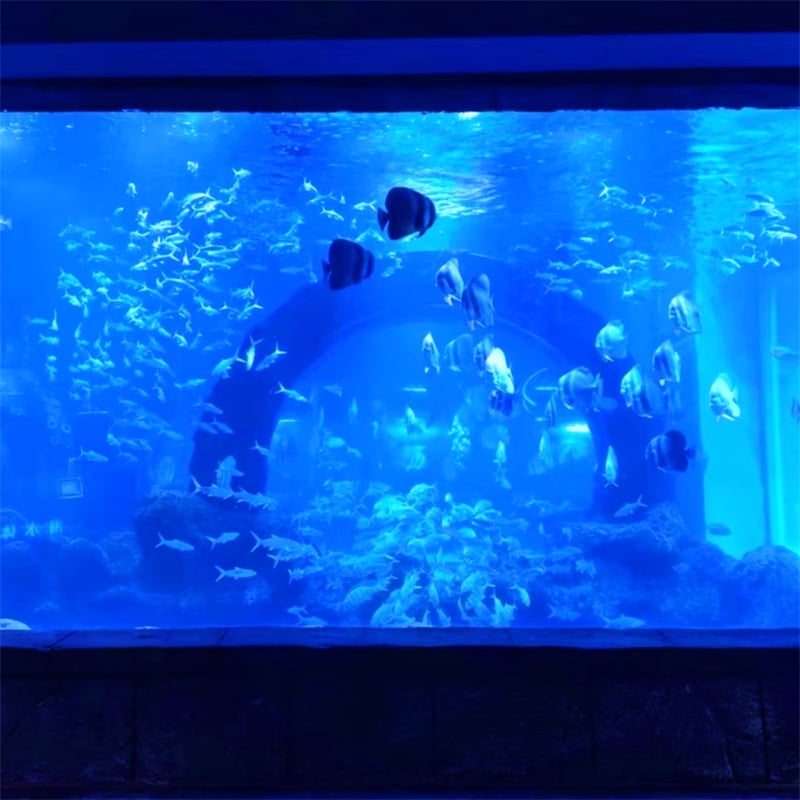
Choosing the Right Thickness of Acrylic Sheet Another critical factor you need to consider when deciding whether drinking from an acrylic cup is safe comes down to its thickness. When acrylic is placed outdoors in the hot sun, wind and rain, it must be strong and durable to stand up to these conditions. For projects at Xiyake, we recommend using order custom acrylic sheets for outdoor use. 1/4 inch thickness is usually a good place to start. This thickness can withstand wind or heavy rain, no bending, and breaking. Thicker sheets are also more resistant to the sun turning them yellow than thinner ones. If you anticipate the acrylic will encounter harsh weather, such as strong winds, you may consider going even thicker like 3/8 inch or more.
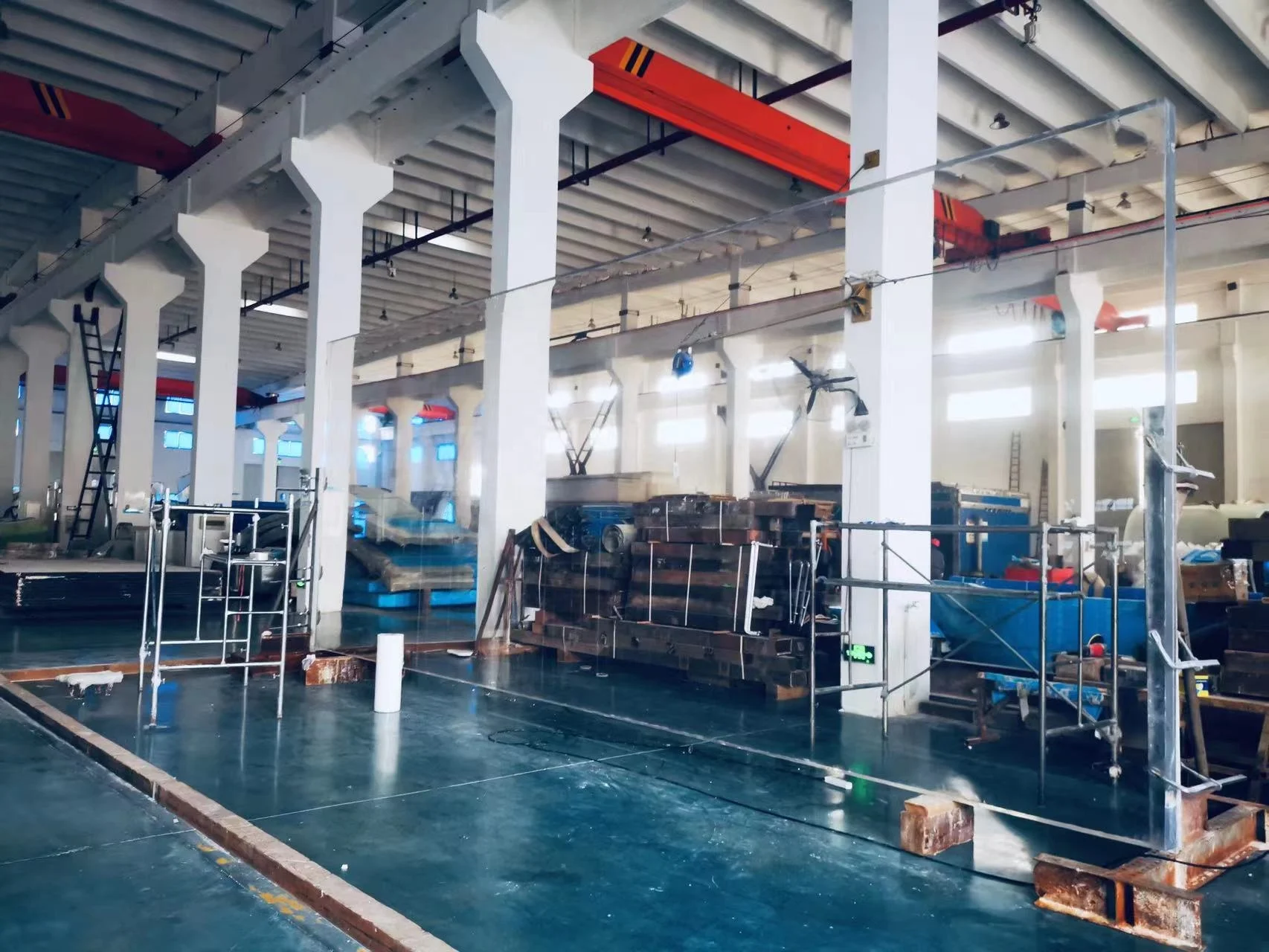
Plus, if you’re considering making a sign, a thick piece will make it look good for much longer. The colors of your sign will remain vivid, and the acrylic won’t easily get scratched. And it’s less likely to pucker over time, so your sign will remain flat and clear. Don’t forget to back your acrylic on outdoor projects too. Depending on how thick the sheets are, be sure to have heavy-duty supports and mounts so that they don’t end up falling or getting damaged. You’ll have better long-term results and great looking projects year-round if you use, with outdoor acrylic applications, at least 1/4 inch thick.
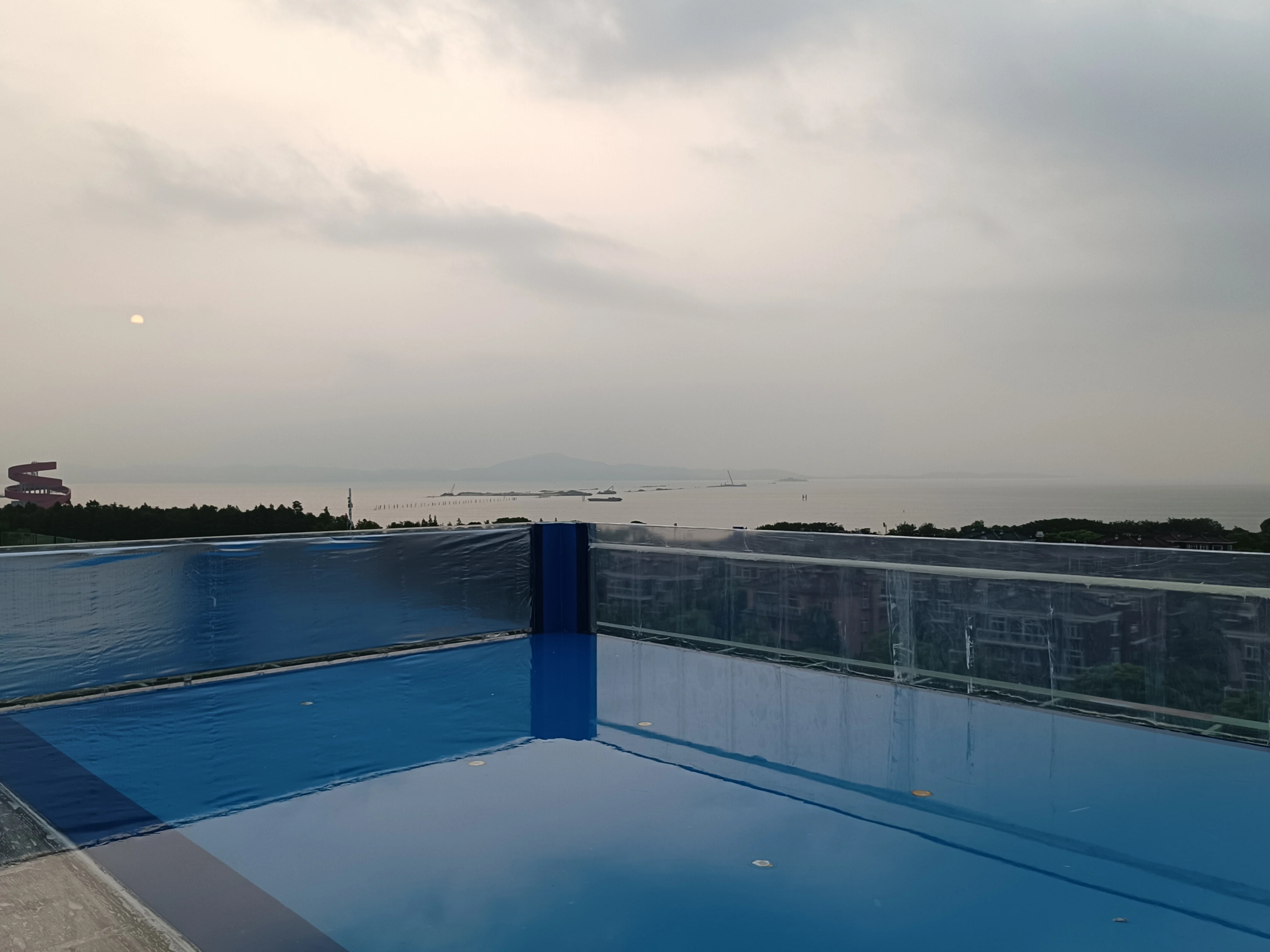
When You Will be Making Signs and Displays? When you need to make signs and displays, it is crucial to pick the right outdoor acrylic sheets. Signs are available in a variety of shapes and sizes and you might require different thicknesses depending on where you will be displaying them. If you are making a small indoor sign for a desk or wall, you can even get away with using a thinner sheet (or 1/8-inch). It’s lightweight and easy to handle, which makes it ideal for small spaces. Though if you’re making a bigger sign that someone will see from a distance, thicker acrylic will be better — 1/4 inch or more. Thicker signs not only that can be easily viewed from a distance, they also offer a high profile look and more professional feel.
The Thickness of acrylic sheets includes sheets processing, constructions and installations warranty.
process combining large-scale intelligent drying rooms Thickness of acrylic sheets machines
The Thickness of acrylic sheets by scratch issues for a numbers of years. We can provides underwater polishing within 24 hours.
company works world-renowned design companies develops Thickness of acrylic sheets ideas absorbing innovatives concepts, collaborating reliable landing conceptual concepts
 AR
AR
 BG
BG
 HR
HR
 CS
CS
 NL
NL
 FR
FR
 DE
DE
 HI
HI
 IT
IT
 JA
JA
 KO
KO
 PL
PL
 PT
PT
 RU
RU
 ES
ES
 SV
SV
 TL
TL
 IW
IW
 ID
ID
 LT
LT
 SR
SR
 VI
VI
 HU
HU
 TH
TH
 TR
TR
 FA
FA
 MS
MS
 BE
BE
 AZ
AZ
 KA
KA
 BN
BN
 LA
LA
 MI
MI
 NE
NE
 KK
KK
 SU
SU
 UZ
UZ
 LB
LB
 XH
XH